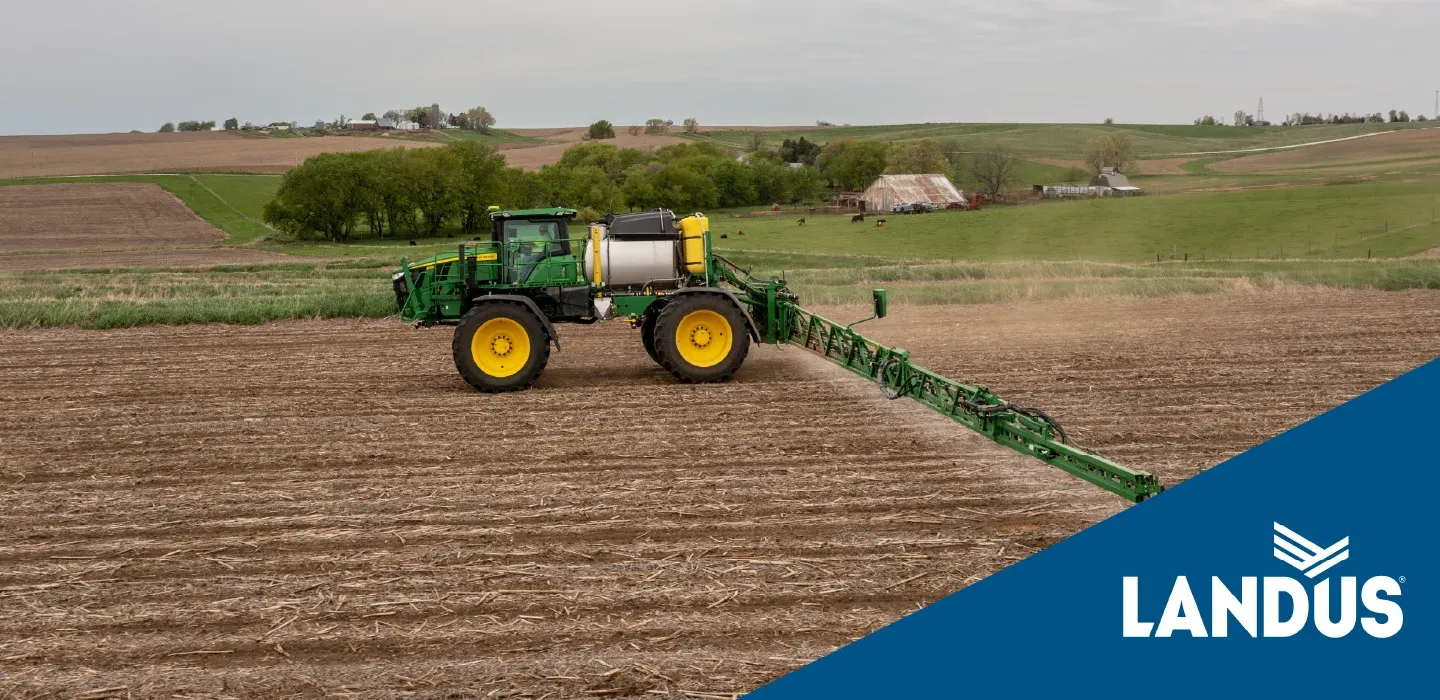
They improve spray coverage, penetration, and uptake, ensuring your herbicide works as intended.
Here are some key points to keep in mind:
Match the Adjuvant to the Herbicide Mode of Action
- Contact herbicides (e.g., PPO inhibitors) benefit from surfactants for better leaf coverage.
- Systemic herbicides (e.g., glyphosate) often require water conditioners to reduce hard water antagonism and improve absorption.
- Soil applied residual herbicides can benefit from surfactants that improve the uniform movement of water and assist in preventing leaching of pesticides through the soil profile.
Consider Environmental Conditions
- Use oil-based adjuvant to slow evaporation in hot dry conditions and enhance penetration. If weeds are large or stressed, oil concentrates (COC or MSO) are often preferred for their ability to penetrate waxy leaf cuticles.
- Non-ionic surfactants for consistent coverage, especially in cool wet environments. In sensitive crops or under high temperatures, nonionic surfactants (NIS) may be a safer option as oil concentration can increase the risk of crop injury (phytotoxicity).
Water Quality Matters
- Hard water can tie up herbicides. Water conditioners prevent this, protecting herbicide efficacy.
Functions of Adjuvants
Activators: Enhance the herbicide’s biological activity.
- Surfactants: Reduce the surface tension of spray droplets, allowing them to spread over a
larger area of the leaf. - Oils (e.g., crop oil concentrates, methylated seed oils): Help dissolve the waxy cuticle on
leaves, allowing the herbicide to penetrate more easily.
- Nitrogen Fertilizers: Can improve the performance of certain herbicides, particularly in hard
water conditions.
Utility Modifiers: Modify the physical characteristics of the spray solution for better application.
- Water Conditioners: Adjust for hard water.
- Anti-foam Agents: Prevent foaming in the spray tank.
- Buffering Agents: Adjust the pH of the spray solution.
- Drift & Deposition Control Agents: reduce spray drift.
Stickers: Increase the adherence of the spray droplet to the target surface.
*Always read and follow the herbicide label for a primary guide for the correct adjuvant recommendation.
Gro-Adjuvants: Common Use Rate
AMS Water Conditioners
GroAMS™ + CropPWR™ – 34% AMS Solution + stress mitigation
GroForm™ – 34% AMS Solution + Non-Ionic Surfactant
- 2.5 gal/100 gal = 9 lbs./100 gal AMS
- 5 gal/100 gal = 17 lbs./100 gal AMS
Non-AMS Water Conditioners
GroTrio™ – Non-AMS water conditioner
GroTean™ – Buffering agent water conditioner + MSO
Surfactants
GroNIS™ – Non-Ionic Surfactant + Humectant
Oils
GroCOC™ – High Surfactant Load Crop Oil Concentrate
GroMSO™ – Modified Vegetable Oil Concentration
Soil Applied Residual Herbicide Adjuvant
GroPre™ – Surfactant, resin blend
Utility
GroCentric™ – Drift and deposition agent